The health effects of microplastics are one side of the story. The environmental damage is the other, and the scale of it is significant.
Synthetic textiles are estimated to be responsible for 35% of all microplastic pollution in the world's oceans, making clothing one of the largest contributors to this problem globally. To put the numbers in context: as of 2024, scientists estimate there are 51 trillion microplastic particles in the oceans. A meaningful portion of those came out of a washing machine.
A single laundry load of polyester garments can release up to 700,000 microplastic fibers, many of which pass straight through wastewater treatment systems and into waterways. Marine organisms, from plankton to fish to seabirds, ingest these particles, which move up the food chain, disrupting reproduction and transferring toxins. Microplastics have been detected in the placentas of marine mammals, in deep ocean sediment, and in remote freshwater systems far from any urban center.
Beyond washing, synthetic fabrics shed microfibers throughout their entire lifecycle: during manufacturing, during wear, and when discarded in landfill. And producing polyester in the first place requires significant fossil fuel input: in 2022, an estimated 70 million barrels of oil were used to manufacture polyester globally.
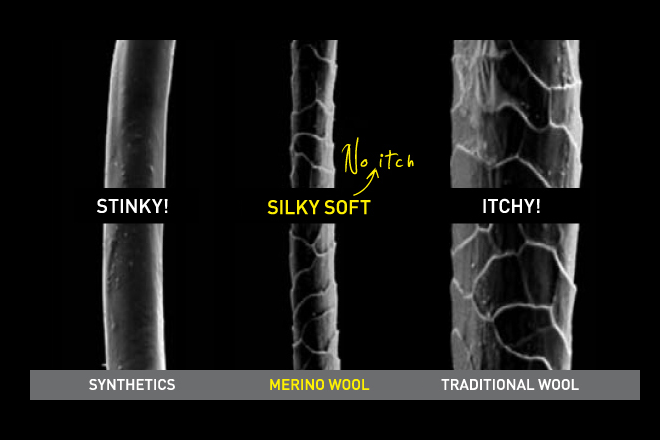
Merino wool sits at the other end of this spectrum. It's a renewable resource that grows back year after year. It requires no petroleum to produce. It biodegrades at end of life. And because high-quality merino garments last significantly longer than synthetic alternatives, you're buying and discarding less overall. Brands like Icebreaker and Mons Royale also work to responsible sourcing standards. Icebreaker's ZQ certification covers land stewardship and environmental practices alongside animal welfare.
Choosing what you wear is one of the more tangible ways an individual can reduce their contribution to microplastic pollution. Underwear is a good place to start: it's washed frequently, worn close to the body, and easy to replace with a better alternative.
Further reading: