



Like any sport that involves travelling downhill at speed, there are risks to skiing and snowboarding. But injuries are not a forgone conclusion. While you can’t completely eliminate the chance entirely, there are many things you can do to maximise your and your family’s safety on the slopes.
How to Stay Safe and Injury Free Skiing and Snowboarding
Your Family Skiing and Boarding Safety Checklist
Physical Preparation
Pre-season Training
Skiing and boarding use a specific set of muscles all of which can be toned and strengthened with targeted pre-season training. It’s important not to leave it too late as your musculoskeletal system needs time to build up its blood supply, increase muscle density, and improve the resilience of tendon and ligament attachment points. In particular knees and are a potential weak point for us all, and building up the muscles that support the knee is the very best thing you can do to minimise the chance of a knee injury.
Warm Up Before You Hit The Lifts
If you’re at a commercial ski field you’ve likely been sitting in the car or a bus for a while before you get there. So before you take your first run it’s a good idea to warm up your hips and legs and get the blood flowing with a 5 minute warm up, especially if you’ve managed to snag a top carpark and haven't had a long walk to the lifts.
Check Your Gear
Go over your gear before each day to make sure everything is working as it should.
Edges and Base
Are your edges sharp enough to give you hold on hard snow? That’s super important in early-winter when the trails are likely to be icy at the beginning and end of each day.
Are the edges and bases intact? Rocks can pull out your edges, leave nasty, hooky burrs, and dent or bend them. That can result in your ski or board behaving unpredictably and dump you on your butt without warning.
Also check your bindings. Are the screws still all there, and nice and tight? Is anything cracked or broken?
If there is any damage take your skis or board in for some TLC at our snow sports workshops in Queenstown and Wanaka.
Wear a Back Protector
Back protectors aren’t just for the park or free ride competitions, recreational skiers can benefit from the extra shock absorption and crash protection they give you too. Slip one on at the start of the day and in a minute or two you’ll forget you’re wearing it.
Ski or Ride on the Right Equipment
If it’s hard or icy maybe leave the heavily rockered pow skis or board in the car and take up something with camber and a long effect edge that bites the snow rather than wanting to surf and slide around. Constantly trying desperately to hang onto an edge isn’t any fun, and way more injuries happen on hard icy days than any other.
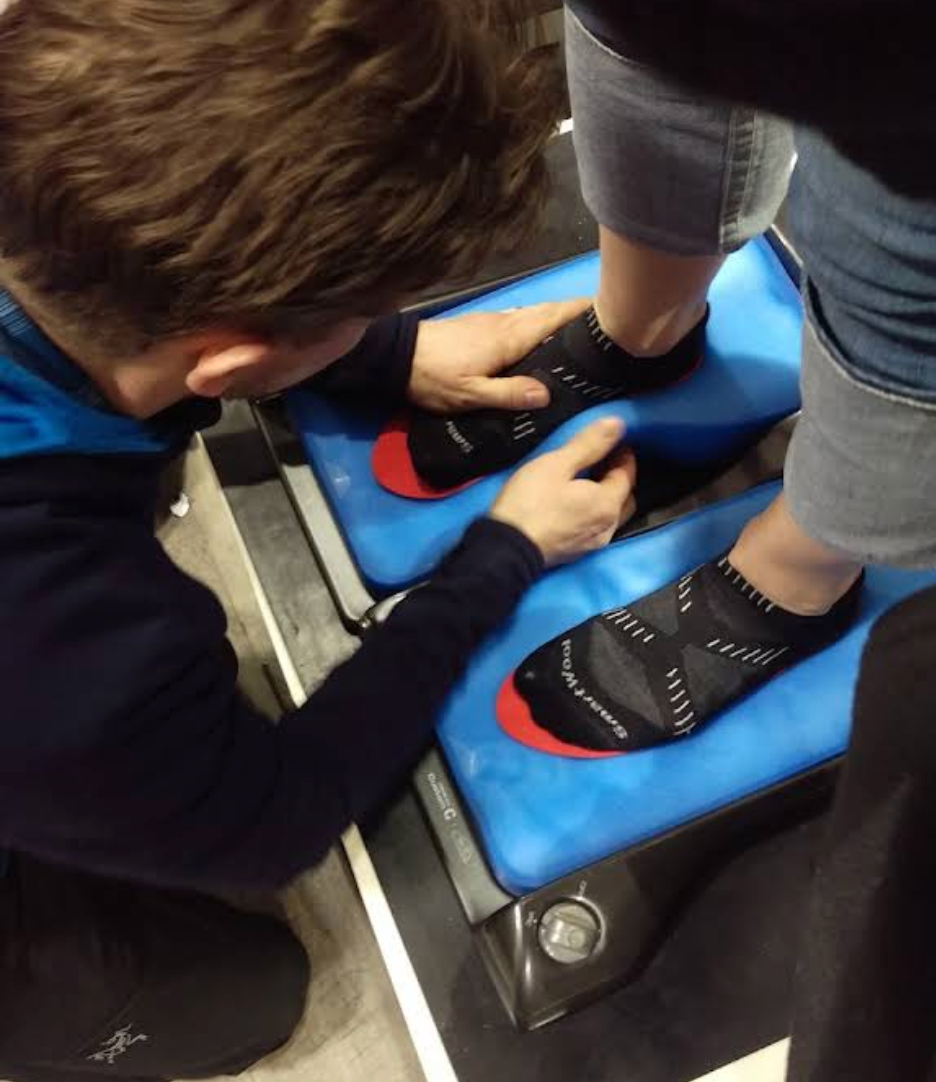
Make Sure Your Boots Fit Correctly
Correctly fitted boots are comfortable and a dream to ski or ride in. But if they’re too big or too small they can cause injuries to your feet and ankles, and poor control! If you’re hiring make sure you come to us – we have the latest rental ski and snowboard boots from the world’s top brands in all sizes, and our expert staff will make sure you get the right ones for your feet.
If you’re buying we have world-class ski boot fitters who have the skill and expertise to ensure you get the right boot for your feet.
Don’t Wear Backpacks on Chairlifts
If you’re skiing or riding with a backpack take it off and hold it in your lap when you’re on the chairlift. If it’s still on your back the straps and buckles can get caught in the chairlift and the result can be fatal – which is exactly what happened recently in Japan.
On-Snow Etiquette
Ski or Ride Defensively
Just like you drive defensively, you should ski or ride defensively. Be aware of where other people are, keep an eye out for people going too fast or out of control, and stay away from them. Give beginners an extra wide birth and be extra careful in places where people like to build up a lot of speed.
Communicate With Other Riders
If you’re coming up behind someone somewhere like a cat track and can’t give them a wide birth, let them know you’re there. Call out ‘on your left’ or ‘on your right’ depending on which side you intend to pass them on.
Downhill Has The Right of Way
The downhill skier or rider always has the right of way – end of story and no exceptions. If you’re uphill it’s your responsibility to pass the person below safely.
Stop in a Safe Spot
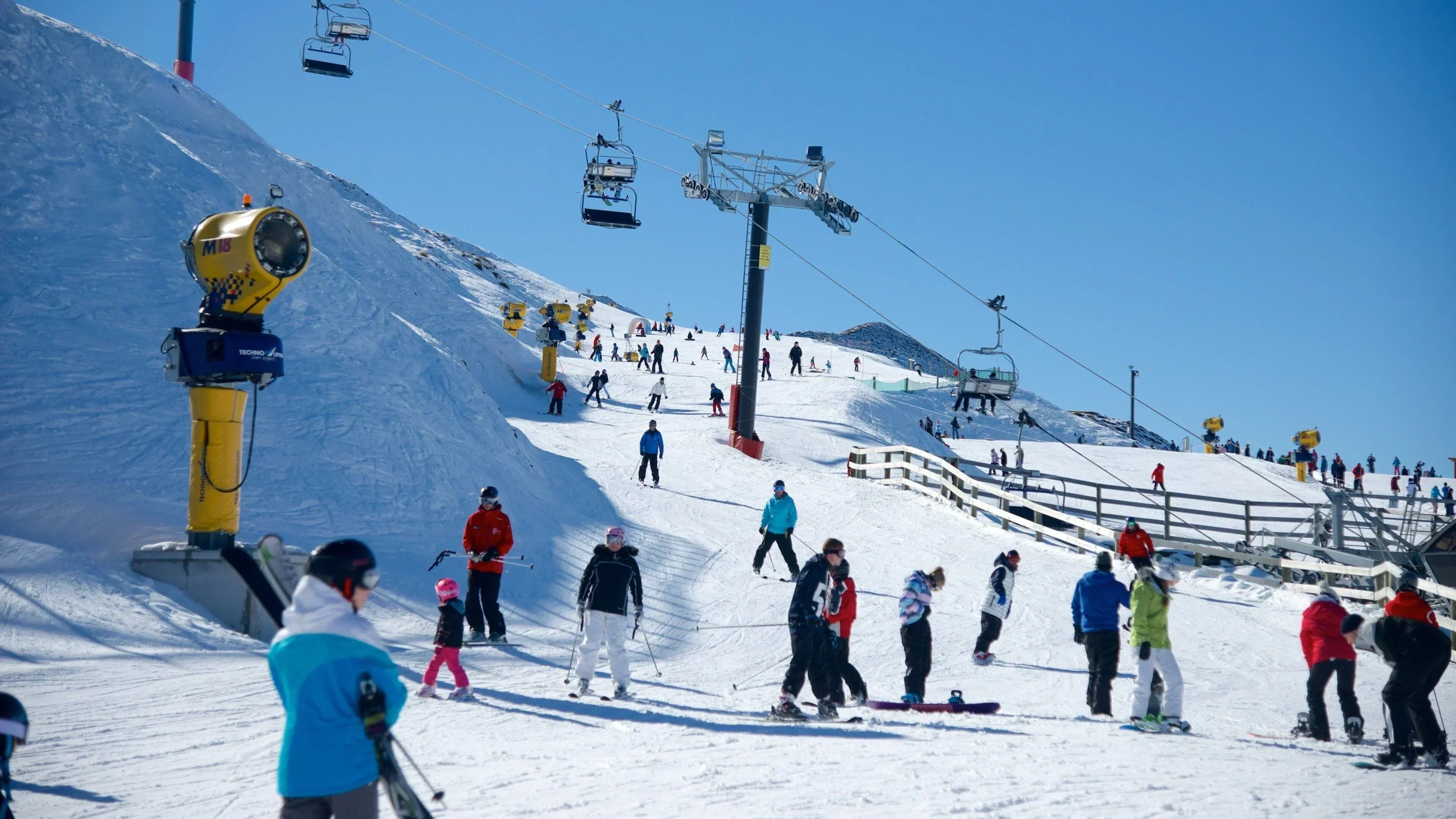
Never ever ever stop in the middle of a trail. If you stop in your car you pull off to the side as far as you can go – same on the snow. Better still is stopping behind something solid like a snow gun or a lift tower where you’re protected.
Merging Trails
Where two trails come together make sure you look uphill on the other trail so you can avoid anyone coming down. You might be the one who’s downhill and have the right of way, but it still makes sense to be defensive and check.
Ski Predictably
Even if you’re the one downhill and have the right of way you still have a responsibility to consider other people. Try to ski or board more or less in the fall line and don’t make big, unexpected turns across the slope that might put you into the path of someone coming faster from above.
Stay Under Control
Another no brainer. Keep your velocity to where you can stop without crashing or hitting someone.
Give Other People Room
If you’re skiing faster than other people be at least 5 metres away from them when you pass. If you can’t do that, say you’re on a cat track, slow down and wait to where you can pass safely.
Don’t Let Your Ego Have a Say
Know When to Go For It
Before you start putting the pedal to the metal it’s wise to be patient and take a few runs at the start of the day to get in the groove. Likewise don’t leave trying to send it to the very end of the day, when you’re feeling tired and you’re low on blood sugar. There’s a reason why the old saying is ‘you’re most likely to get hurt on the last run of the day.’
Choose Terrain That Matches Your Ability
This is kind of an obvious one. Progressing is one thing, but risk management will help you avoid injury so you can actually continue to progress, rather than ending up in a rescue sled. Ski fields do a really good job on their trail maps of colour coding trails to the ability level needed to ride them safely. Be honest with yourself about your level and stick to the runs that match. If you are driven to try more advanced terrain, get a lesson so an instructor can give you skills you need to be safe.
Don’t Duck Ropes
Ski patrol rope off areas for good reasons. Even if it looks safe to you, it doesn’t mean it is. Ducking ropes is also the fastest way to get your ski pass taken off you.