



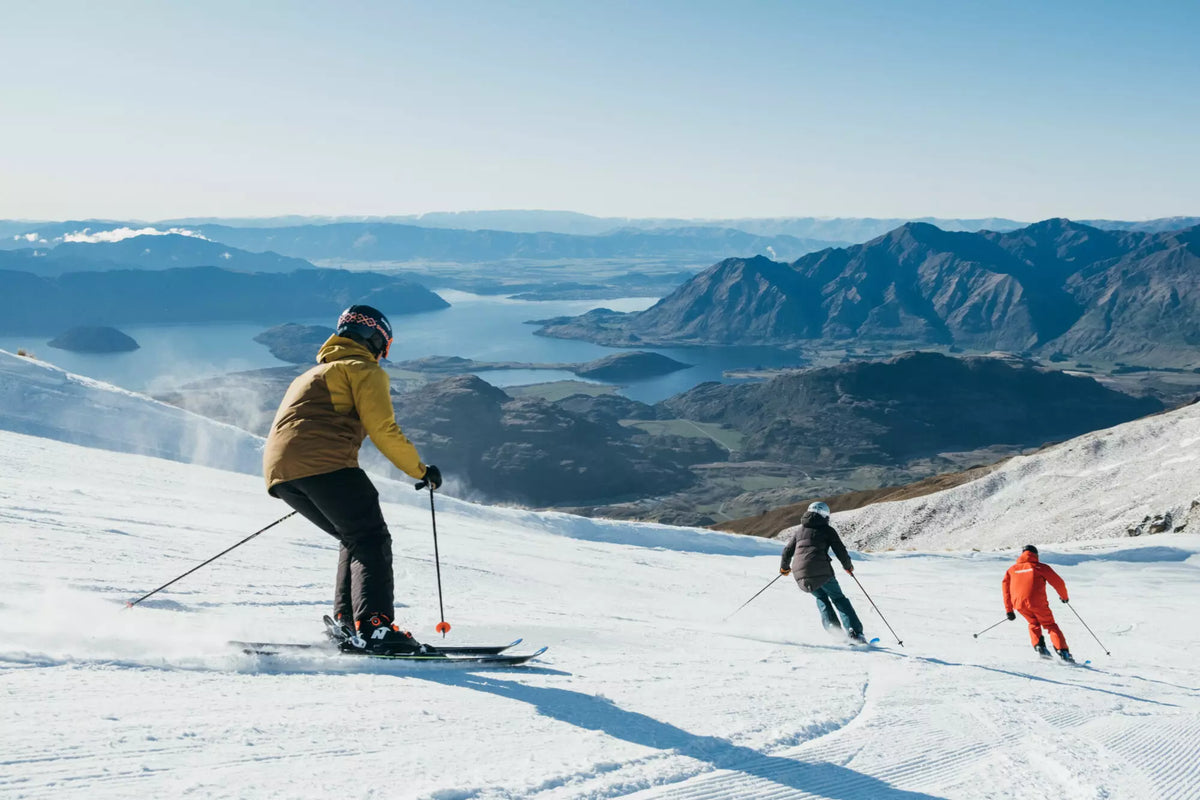
Whether you're a local pulling gear out of storage or a visitor flying in for a week on the slopes, showing up prepared makes a real difference. The Southern Lakes resorts — Coronet Peak, The Remarkables, Cardrona, and Treble Cone — offer some of the best skiing and riding in the Southern Hemisphere, but NZ conditions are harder on gear than many people expect. Running through this checklist before your first day means you're not losing valuable time on the hill sorting out problems that could have been handled the night before.
Ski & Snowboard Prep Checklist for the Queenstown and Wanaka Ski Season
1. Service Your Gear Before You Go
This is the most important item on the list and the one most often skipped. A full service (base grind, edge tune, and wax) should happen at the start of every season, no exceptions. If your skis or board have been sitting in storage since last winter, the edges may have developed surface rust and the base will need a fresh wax regardless of how well you stored them.
If you're a visitor bringing gear from overseas, get it serviced before you travel or factor in time to drop it at a workshop on arrival. Most Queenstown and Wanaka ski shops offer same-day or next-day turnaround during the season. You can book your gear in with our snow workshop in either town before your trip.
Not sure what service your gear actually needs? Our guide to ski tune vs wax vs full service breaks it down clearly, and our guide on signs your skis or snowboard need a tune will help you work out how urgent it is.
2. Check Your Boots
Boots are the most overlooked piece of kit in a pre-season checklist. Work through the following before your first day:
Buckles and ratchets: check each one opens, closes, and holds tension properly. Broken or stiff buckles are a common issue after a season in storage and are usually a straightforward fix if caught early.
Liners: pull them out and check for compression, cracking, or odour. A heavily compressed liner affects fit and warmth significantly. If your boots feel looser than they used to, the liner may need replacing rather than the whole boot.
Sole condition: check the sole for wear, particularly if you have GripWalk boots. Worn soles affect how securely your boot clicks into the binding.
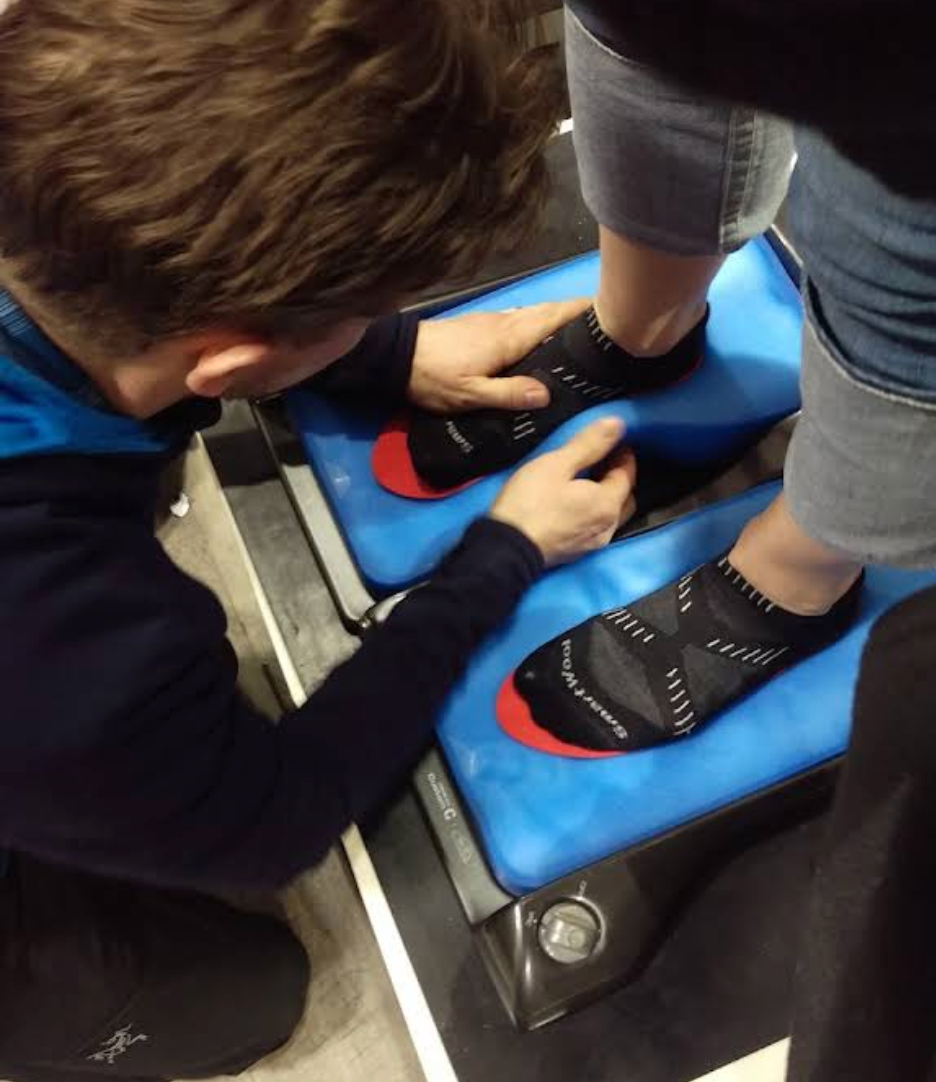
If your boots have never been properly fitted, or if your feet have changed, a professional boot fit is worth doing before the season rather than suffering through it. We offer boot fitting appointments at our Queenstown and Wanaka stores.
3. Check Your Bindings
Bindings should be inspected and tested at the start of every season. Check that the DIN settings are still appropriate for your current weight, ability level, and boot sole length. If any of those have changed since last season, your DIN needs to be recalculated.
Step in and out of each binding several times to make sure the release and retention feel correct. Any binding that doesn't release cleanly, or that feels loose or rattly, should be looked at by a technician before you ski on it. For a thorough explanation of how bindings work and what the settings mean, our deep dive into ski bindings covers everything you need to know.
4. Inspect Your Helmet and Goggles
Helmets should be replaced after any significant impact, even if there's no visible damage. If yours is more than five years old, retirement is worth considering regardless of condition as foam degrades over time even without impact.
For goggles, check the lens for deep scratches that affect vision, inspect the foam seal for compression or cracking, and make sure the strap elastic still has tension. Bring a spare lens if you have one. Weather in the Southern Lakes can change quickly, and having a low-light lens for flat light days and a darker lens for bright sun days makes a real difference to visibility and safety on the hill.
5. Sort Your Clothing and Layers
NZ mountain weather is variable and can shift fast. A warm, sunny morning at Cardrona can turn into a cold southerly by early afternoon. Layering correctly is more important than having the most expensive jacket.
Base layer: merino or synthetic, fitted and moisture-wicking. Avoid cotton.
Mid layer: fleece or light insulation for warmth without bulk.
Outer layer: waterproof and breathable. Check seam tape and zips are intact before the season, and re-proof with a DWR spray if water is no longer beading on the surface.
Extras to pack: neck warmer, spare gloves, hand warmers for cold days, and a buff or balaclava for high-wind days on exposed ridgelines like those at Treble Cone.
6. Pack Your Day Bag Properly
A well-packed day bag saves time and keeps you comfortable. For a day at a Queenstown or Wanaka resort, consider:
Sun protection: UV intensity at altitude in NZ is high, even on overcast days. SPF 50 sunscreen and UV-rated goggles or sunglasses are non-negotiable.
Water and snacks: staying hydrated at altitude matters more than most people realise, and resort food adds up quickly if you're there for multiple days.
First aid basics: a few blister plasters, pain relief, and any personal medication.
7. Know the Mountain Before You Arrive
Each resort has different terrain, lift systems, and conditions. Check the resort's snow report and trail map before your first day. Coronet Peak and The Remarkables are the two closest to Queenstown and suit a wide range of ability levels. Cardrona is a favourite for freestyle and families. Treble Cone has the most challenging terrain and longest vertical drop in the South Island, and is best suited to intermediate and advanced skiers and riders.
If you're new to the area or returning after a long break, starting on familiar or easier terrain to find your legs before heading to harder runs is always the right call.
8. Stock Up Before You Head Up
Lift ticket queues and resort shops are more expensive and time-consuming than sorting things out in town the evening before. If you need wax, a spare goggle lens, hand warmers, or any last-minute gear, it's worth swinging into a Queenstown or Wanaka ski shop on your way through. We stock a full range of wax and snow tools if you want to handle basic maintenance yourself, and our team can point you in the right direction if you're not sure what you need.
The Quick Version
For the night before your first day, run through this in order: gear serviced, boots checked, bindings tested, helmet and goggles good to go, layers packed, bag sorted, snow report checked. It takes twenty minutes and saves the kind of morning that starts with a broken buckle in a car park at 8am.
For more on keeping your gear in good shape throughout the season, see our guides on how often to service your skis or snowboard in NZ conditions and signs your gear needs a tune.