Free shipping on orders over $150 T&Cs Apply

60-Day Hassle-Free Returns

From nagging foot pain to plateauing performance — the signs that a professional ski boot fitting could change your time on the mountain.

Most skiers accept a certain level of discomfort as part of the deal. Cold toes by lunch, a bit of heel lift on the chairlift, that one pressure point that flares up by run four. It's just what skiing feels like, right?

Wrong. Discomfort in ski boots is not normal — it's a sign that your boots aren't fitted correctly. And whether you're clicking into skis for the very first time or you've been carving turns for twenty years, a professional ski boot fitting could be the most valuable thing you do for your skiing this season.

But what exactly is a boot fitter, what do they do, and how do you know if you need one? This guide covers everything.

What Is a Ski Boot Fitter?

A ski boot fitter is a trained specialist whose job is to make sure your ski boots work with your feet — not against them. They combine knowledge of foot anatomy, biomechanics, and ski boot construction to assess your feet, recommend the right boot, and then customise it to fit your specific shape, size, and skiing style.

A good boot fitter isn't just a shop assistant who measures your foot and hands you a box. They're a specialist who understands that no two feet are the same, and that an off-the-shelf boot — however well made — is built to fit an average foot. Yours probably isn't average.

What Does a Ski Boot Fitter Actually Do?

The boot fitting process is far more involved than most skiers realise. Here's what a professional fitting typically includes:

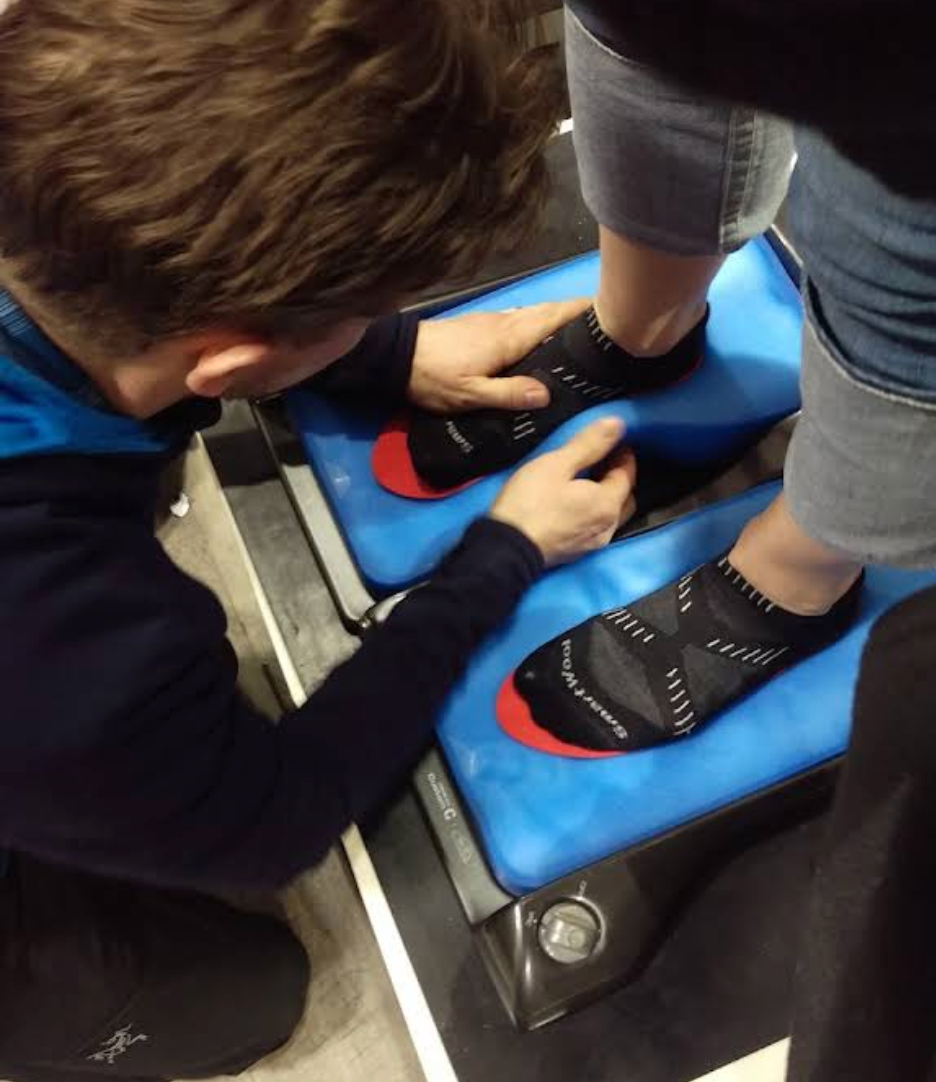
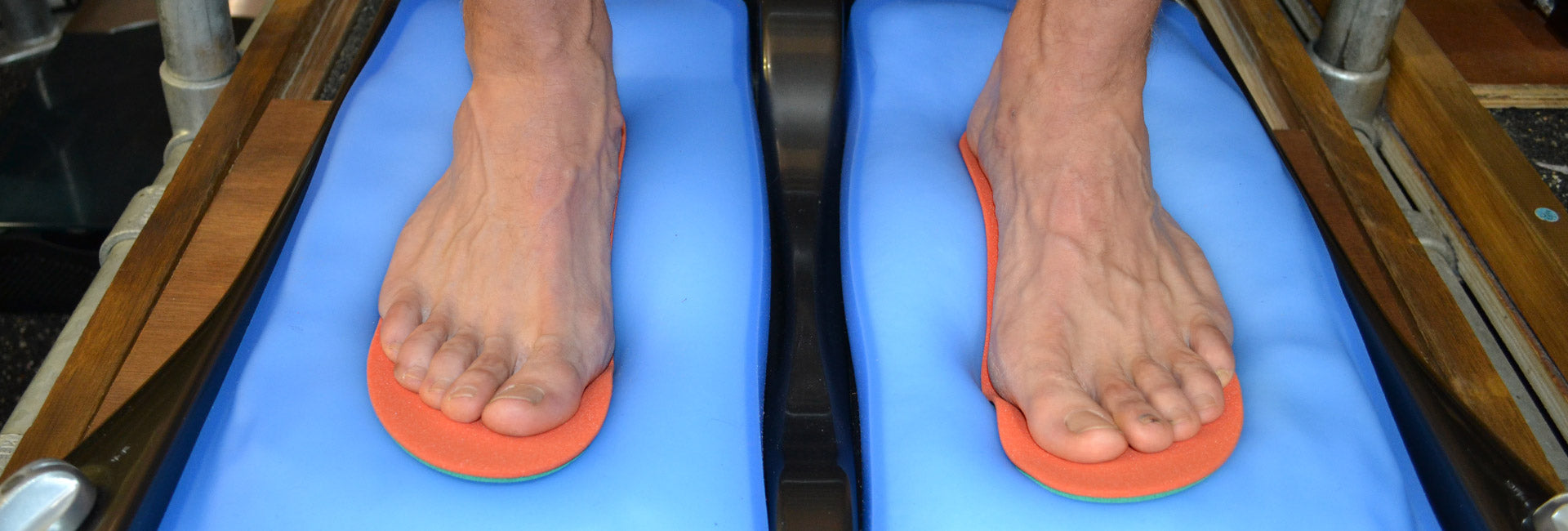
Foot assessment & scanning — We use the Sidas FEETBOX® EVO scanning technology to capture precise 3D measurements of your feet, giving our fitters an accurate and detailed picture of your foot length, width, arch height, pressure zones, and calf position — far beyond what any tape measure could achieve.


Boot selection — Based on your foot profile, skiing ability, and goals, your fitter will identify boots that suit your specific anatomy. Different boots are built on different "lasts" (shapes), and finding the right last for your foot is the foundation of a good fit.

Liner fitting & heat moulding — The inner boot is heat moulded to the exact shape of your foot, eliminating pressure points and dead space while locking your foot in the optimal position.

Custom insoles & orthotics — A custom footbed supports your arch correctly, improves your stance, and reduces fatigue. Standard boot footbeds are flat and generic — a custom insole makes a significant difference to both comfort and performance.

Ski boot footbeds


Shell modifications — Where needed, your fitter can punch out (stretch) specific areas of the outer shell to create space around bunions, bone spurs, or any other pressure areas unique to your foot.

Alignment & canting — Your fitter will assess your lower leg alignment and, if needed, add canting adjustments to correct the angle of your boot sole. This improves edging efficiency and reduces strain on your knees.

The result is a boot that feels like it was made for your foot — because in many ways, it now has been.

Signs You Need to See a Boot Fitter

Not sure whether your boots actually need attention? Here are the most common signs that a professional fitting is overdue:

Your feet go numb or cold quickly
If your toes are numb within the first hour, your boots are almost certainly too tight — restricting circulation and cutting off warmth. Counterintuitively, many skiers size up to fix this, when the real solution is a proper fit that holds the foot correctly without squeezing.

You have persistent pressure points or pain
Pain on the side of your foot, across the top, or at the heel are classic signs of a poor fit. These pressure points don't just cause discomfort — they're a distraction that affects your skiing. A boot fitter can identify exactly where the pressure is coming from and resolve it.

Your heel lifts inside the boot
Heel lift is one of the most common fit problems, and one of the most damaging to your skiing. When your heel moves inside the boot, you lose power transfer, control, and precision. It also increases your risk of blisters and ankle fatigue.

You feel disconnected from your skis
Skiing should feel direct and responsive. If your movements feel vague or delayed, or if you feel like you're working harder than you should to initiate turns, your boots may be the culprit. A snug, well-fitted boot transmits every input instantly to your skis.

You've been skiing in the same boots for five or more seasons
Boot liners compress and pack out over time, meaning a boot that once fitted well may no longer give you the hold and support you need. If your boots are ageing, a professional assessment is worthwhile — even if they still feel comfortable.

You've had a foot injury, surgery, or change in foot shape
Pregnancy, weight changes, surgery, and conditions like plantar fasciitis or bunions can all alter the shape and biomechanics of your feet. If your feet have changed, your boot fit needs to be reassessed.

You're a beginner
This one surprises people, but beginners arguably benefit most from a proper boot fitting. Learning to ski in uncomfortable, ill-fitting boots makes everything harder — balance, confidence, technique. Starting with a great fit sets you up for success from day one.

Your skiing has plateaued
If you've been skiing for a while and feel stuck at the same level despite regular time on the slopes, your equipment could be limiting you. Boots that don't fit correctly make it harder to execute technique properly, no matter how many lessons you take.

Do I Need Custom Ski Boots, or Just a Better Fit?

This is a common question, and the answer is: most skiers don't need fully custom-built boots — they need their existing or new boots properly fitted and modified.

True custom ski boots (boots built entirely from a mould of your foot) exist and are used mainly by elite and professional skiers with very specific needs. For the vast majority of recreational and intermediate skiers, a professional fitting service — the right boot, a heat moulded liner, custom insoles, and targeted shell modifications — delivers all the benefits without the cost of a fully bespoke boot.

Your boot fitter will be honest with you about what level of customisation you actually need.

Is Ski Boot Fitting Worth It?

Absolutely — and for every level of skier. Here's why:

  • For beginners, it means comfort and confidence on the snow from day one, without the distraction of painful feet.
  • For recreational skiers, it means longer, more enjoyable days on the mountain without the fatigue and discomfort that cut runs short.
  • For intermediate and advanced skiers, it means better technique, more responsive skiing, and the precision needed to keep improving.
  • For skiers with foot conditions, it means being able to ski comfortably at all — something that genuinely isn't possible in an off-the-shelf boot for many people.

A ski boot is one of the most important pieces of equipment you own. Getting the fit right is simply getting the most out of it.

Come and See Our Boot Fitting Experts

If any of the signs above sound familiar — or if you've simply never had your boots professionally assessed — come and visit us in store. Our certified boot fitting specialists will take the time to properly assess your feet, walk you through your options, and make sure you leave with boots that genuinely fit.

No more sore feet. No more cold toes. Just great skiing.

Prepare For Your Next Adventure


HIKING


RUNNING


BIKING


SKIING

Leave a comment

Please note: comments must be approved before they are published.